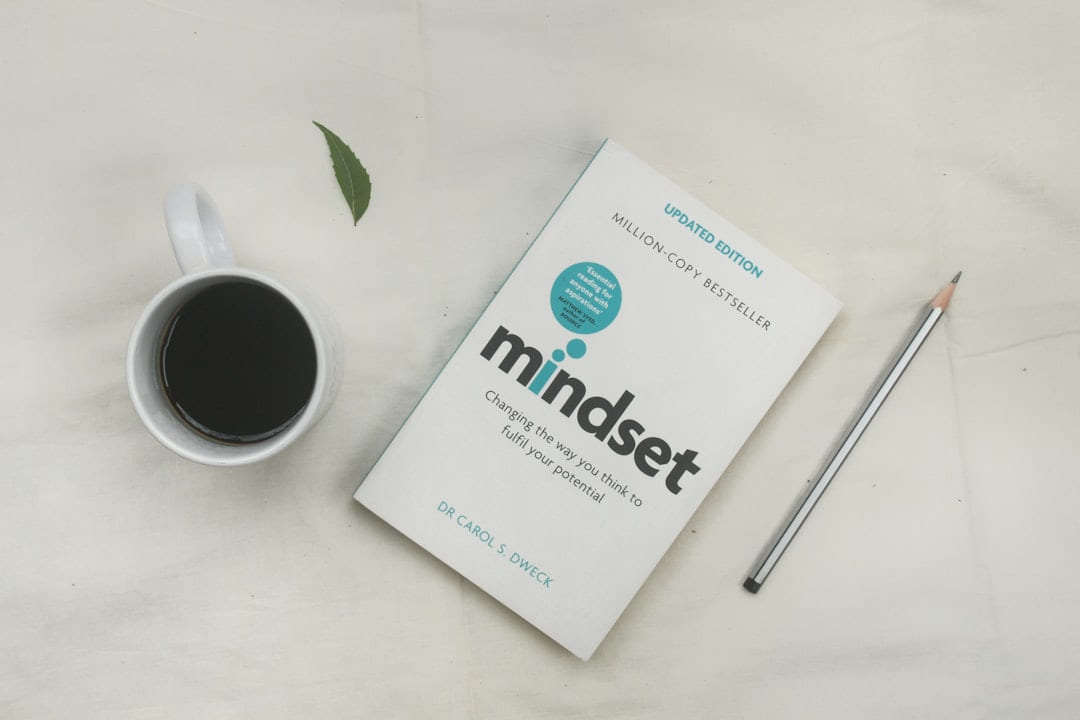
Let’s start with the basics. “Mindset,” as championed by Carol Dweck, is fundamentally about how you see your abilities and potential. A fixed mindset tends to view intelligence and talent as something you’re simply born with - a set amount that can’t be changed. You’re either “good” at something or you’re not. A growth mindset, on the other hand, believes that abilities can be developed through dedication and hard work. It’s about embracing challenges, learning from mistakes, and seeing effort as a path to mastery. It’s a really empowering way to approach life, don’t you think? “Self-Growth” is a broader concept, encompassing a lot of different areas. We’re talking about building emotional intelligence - understanding and managing your own emotions and those of others. It’s about cultivating resilience, bouncing back from setbacks, and developing a sense of inner strength. And it’s closely tied to how we approach productivity - it’s not just about getting more done, but about working smarter, and building and maintaining healthy relationships. in practice, focusing on these areas isn’t just about feeling good; it’s about creating a life that feels genuinely fulfilling and meaningful.
Your Roadmap: The Checklist Breakdown
- Self-Awareness: How well do you truly know yourself?
- Goal Setting: Are you setting goals that actually align with what matters to you?
- Habit Formation: Are you building routines that support your aspirations?
- Emotional Regulation: Are you equipped to handle life’s inevitable ups and downs?
- Relationships: Are your connections enriching your life?
- Learning & Growth: Are you continually seeking new knowledge and experiences?
Let’s Dive In: The Detailed Checklist
- Do you make time for regular reflection, even if it’s just a few minutes of journaling?
- Have you taken the time to identify your core values - the principles that guide your decisions?
- Can you often pinpoint the specific things that trigger strong emotions in you? (Recognizing those triggers is a really important first step.)
- When you feel a strong emotion, do you tend to ask yourself, “Why am I feeling this way?” 2. Goal Setting:
- Do you set goals using the SMART framework - Specific, Measurable, Achievable, Relevant, and Time-bound?
- Do you break down large goals into smaller, more manageable steps? (Seriously, this can make a huge difference!)
- Do you regularly (at least monthly) review your goals to make sure they still feel important to you? 3. Habit Formation:
- Do you track your habits - whether it’s with an app, a notebook, or simply by paying attention?
- Do you use habit stacking - linking a new habit to an existing one? (For example, “After I brush my teeth, I’ll meditate for 5 minutes.”)
- Do you celebrate even small wins when you successfully build a new habit? (Positive reinforcement can be a powerful motivator!) 4. Emotional Regulation:
- Do you incorporate mindfulness practices into your daily routine - even just a few minutes of focused breathing?
- Do you have a toolbox of healthy coping mechanisms for dealing with stress or difficult emotions? (Exercise, spending time in nature, talking to a friend - whatever helps you.)
- Do you try to acknowledge and accept your emotions without judgment? (It’s okay to feel things, even the uncomfortable ones.) 5. Relationships:
- Do you actively listen when others are speaking - truly hearing what they’re saying, rather than just waiting for your turn to talk?
- Do you regularly express gratitude to the people you care about? (A simple “thank you” can make a big difference.)
- Do you set healthy boundaries in your relationships - saying “no” when you need to protect your time and energy? 6. Learning & Growth:
- Do you make a conscious effort to read regularly - not just for work or school, but for pleasure and personal enrichment?
- Do you intentionally step outside your comfort zone - trying new things and taking calculated risks?
- Do you see challenges as opportunities for growth, rather than as threats?
Scoring & Taking Action
Now, let’s talk about how to use this. I’ve suggested a simple 1-5 scale for each item, where 1 means “Not at all” and 5 means “Consistently.” Take some time to honestly rate yourself on each item. Don’t overthink it - just go with your gut feeling.
- 1-2: This area might be worth focusing on. Let’s start with small, manageable steps.
- 3-4: You’re on the right track, but there’s always room for improvement.
- 5: Excellent! You’ve clearly cultivated strong habits and a positive mindset in this area. Here are some example actions, based on potential scores:
- If you scored low in Emotional Regulation (1-3): Consider starting with just 5 minutes of daily meditation using a guided app. It can be amazing how much a little bit of focused breathing can shift your perspective.
- If you scored low in Goal Setting (1-3): Commit to writing down one SMART goal for the next week. Just do it!
- If you scored low in Relationships (1-3): Make a conscious effort to schedule a regular check-in with a close friend or family member.
Staying on Track
This checklist isn’t a one-and-done deal. I strongly recommend reviewing it monthly or quarterly. It’s a powerful tool for ongoing self-assessment and identifying areas where you can continue to grow. Keep a journal, use a spreadsheet, or even just check off items on a habit tracker app - whatever works best for you.
Keep Moving Forward
This checklist is designed to be a helpful guide, not a rigid prescription. The Inner Progress Project is all about embracing the journey, not reaching a fixed destination. By regularly reflecting on your mindset and self-growth habits, you can create a life that’s not just good, but truly fulfilling. Start with just one or two small steps today, and you’ll be amazed at the progress you can make.
Keep This Practical
Inner growth sticks when it becomes observable in daily life. Choose one reflection habit, boundary, or reset that helps you respond with more intention than autopilot.
Tools Worth A Look
The picks here are best used to support follow-through, not to replace the inner work itself.
- CULTURES OF GROWTHThe Growth Mindset Journey for Boundaries: Break Free from People-Pleasing, Learn to Say No Without Guilt, and Build Self-RespectThe Art of GrowthLife Skill HandbooksGrowth Mindset for Teachers
Some of the links on this page are Amazon affiliate links, which means I may earn a small commission if you make a purchase through them. As an Amazon Associate, I earn from qualifying purchases.
Related ReadingMore from Inner Progress Project
Unsticking Your Growth: Mindset Ideas
Navigating the ‘Inner Progress Plateau’ Unsticking Your Growth: Mindset can be easier to approach when you start with a few practical basics. Let’s be honest: we.

Shift Your Thinking, Shape Your Life
for Success: Building a Foundation for Lasting Growth This isn’t about some airy-fairy motivational speech. It’s about understanding the subtle, often unconscious...
Mindset FAQs: Your Growth Questions Answered
Self-growth, then, is the active process of intentionally developing yourself - your skills, your character, your understanding of the world, and your overall.