
Your Intentional Living guide: A Journey to a More Meaningful Life
Cultivating Intentionality can be easier to approach when you start with a few practical basics. April 10, 2026
Life can feel… overwhelming, doesn’t it? A constant barrage of notifications, demands, and expectations pulling us in a million different directions. We chase achievements, accumulate possessions, and often find ourselves feeling disconnected from what truly matters. If you’re feeling this way, you’re not alone. The good news is there’s a powerful antidote: intentional living. It’s not about rigid rules or a perfectly curated Instagram feed. Instead, it’s about consciously shaping your life to align with your values, passions, and deepest desires. This guide is designed to help you navigate the journey toward a more fulfilling and authentic existence - a journey we call the intentional living topic.
What is Intentional Living, Really? (Cultivating Intentionality)
Intentional living isn’t a trendy buzzword; it’s a fundamental shift in perspective. It’s about moving from reacting to life to actively creating it. It’s about asking yourself, “What do I really want?” and then making choices that reflect that desire. It’s a continuous process of self-reflection, adjustment, and prioritizing what brings you joy and purpose. Think of it as building a life that feels genuinely yours, rather than one dictated by external pressures or societal norms.
Let’s look at a practical example. Sarah, a marketing executive, was constantly stressed and burned out. She was working long hours, chasing promotions, and buying things she didn’t need. She felt empty despite her “success.” Through a period of intentional reflection, she realized her top values were connection, creativity, and health. She started by reducing her work hours, taking a pottery class, and scheduling regular time for walks in nature. Slowly, she began to feel more grounded, energized, and genuinely happy - a stark contrast to her previous state.
Key Pillars of Intentional Living
Intentional living isn’t a one-size-fits-all approach. It’s about building a framework that resonates with you. However, several key pillars consistently emerge as crucial for creating a meaningful life:
- Values Clarification: This is the cornerstone. What truly matters to you? Honest answers to questions like “What principles guide my decisions?” and “What do I stand for?” will shape every aspect of your life. Consider creating a list of your top 5-10 values - things like kindness, integrity, creativity, family, growth, adventure, or service.
- Mindful Awareness: Intentional living starts with paying attention. This means noticing your thoughts, feelings, and sensations without judgment. Practices like meditation, journaling, or simply taking a few deep breaths throughout the day can cultivate this awareness.
- Boundaries: Saying “no” is a powerful act of self-care and a crucial component of intentional living. Protecting your time and energy by setting healthy boundaries with others - and with yourself - is essential for preventing burnout and maintaining your well-being.
- Purposeful Action: Values and awareness are important, but they need to translate into action. Identify small, concrete steps you can take each day to align with your values and move toward your goals.
Celebrating Small Wins: Acknowledge and Celebrate Your Progress, No Matter How Small.
It’s incredibly easy to get caught up in the grand vision of intentional living and feel discouraged when you don’t see immediate results. But intentional living is a marathon, not a sprint. Recognize that progress isn’t always linear. There will be setbacks and challenges along the way. That’s perfectly normal. The key is to celebrate the small wins - the moments when you’ve made a conscious choice that aligns with your values, the times you’ve resisted temptation, or the simple acts of self-care you’ve incorporated into your routine. Did you meditate for 5 minutes today? Awesome! Did you say “no” to an obligation that drained your energy? Fantastic! These small victories build momentum and reinforce positive habits.
Practice Self-Compassion: Don’t Beat Yourself Up When You Slip Up. Everyone Does! Simply Acknowledge It, Learn From It, and Move On.
Let’s be honest: we will slip up. We’ll make impulsive purchases, overcommit ourselves, or fall back into old patterns. Instead of dwelling on these moments of imperfection, practice self-compassion. Treat yourself with the same kindness and understanding you would offer a friend who’s struggling. Recognize that mistakes are a natural part of the learning process. Ask yourself, “What can I learn from this experience?” and “How can I do things differently next time?” Holding yourself to impossibly high standards will only lead to frustration and burnout. Self-compassion is the fuel that keeps you moving forward.
Remember Your ‘Why’: When You’re Feeling Discouraged, Reconnect with the Reasons Why You Started This Journey in the First Place. Intentional Living is a *Lifestyle* Shift, Not a Quick Fix. It’s About Cultivating a Way of Being That Aligns with Your Values and Brings You Greater Joy and Fulfillment. It’s a Journey, Not a Destination.
Taking the First Step
Ready to start building your intentional life? Don’t try to do everything at once. Overwhelm is the enemy of progress. Pick one small step - maybe it’s identifying your top three values, or scheduling a 5-minute gratitude practice, or simply taking a walk outside. Just take that one step. And then take another. Start small, be consistent, and celebrate every victory along the way. You’ve got this. Remember, intentional living isn’t about achieving a perfect life; it’s about creating a life that feels truly aligned with who you are.
Focus on the part that solves the problem
In a topic like Mindset and self-growth, the strongest starting point is usually the one you will notice and use right away. That is often more helpful than adding extra features too early.
Before spending more, it is worth checking the setup, upkeep, and learning curve. Small hassles matter here because they are usually what decide whether something stays useful or gets ignored.
It is easy to underestimate how much clarity comes from removing one unnecessary layer. In practice, trimming one complication often does more for Cultivating Intentionality than adding one more feature, one more product, or one more clever workaround.
Where extra features get in the way
Another easy trap is copying a setup that made sense for someone with a different routine, budget, or tolerance for maintenance. In Mindset and self-growth, that mismatch is often what makes a promising idea feel frustrating later.
A lot of options sound great until you picture them in a normal week. If the setup is fussy, the routine is easy to forget, or the maintenance is annoying, the appeal fades quickly.
There is also value in keeping one part of the process deliberately simple. Readers often do better when they identify the one decision that carries the most weight and make that choice carefully before they chase smaller optimizations. That keeps momentum steady and usually prevents the topic from turning into clutter.
Keep This Practical
A better mindset rarely arrives all at once. It grows when you keep one small promise to yourself often enough that it starts to feel trustworthy.
Tools Worth A Look
These recommendations fit readers who want support for reflection, habit-building, or steadier day-to-day self-management.
- Think and Grow Rich (An Official Publication of the Napoleon Hill Foundation)Don't Believe Everything You Think: Why Your Thinking Is The Beginning and End Of Suffering (Beyond Suffering)
Some of the links on this page are Amazon affiliate links, which means I may earn a small commission if you make a purchase through them. As an Amazon Associate, I earn from qualifying purchases.
Related ReadingMore from Inner Progress Project

Small Steps, Big Shifts
is easier to make sense of when you break it down into the part that matters most first. Instead of chasing every option at once, it usually helps to focus on what.
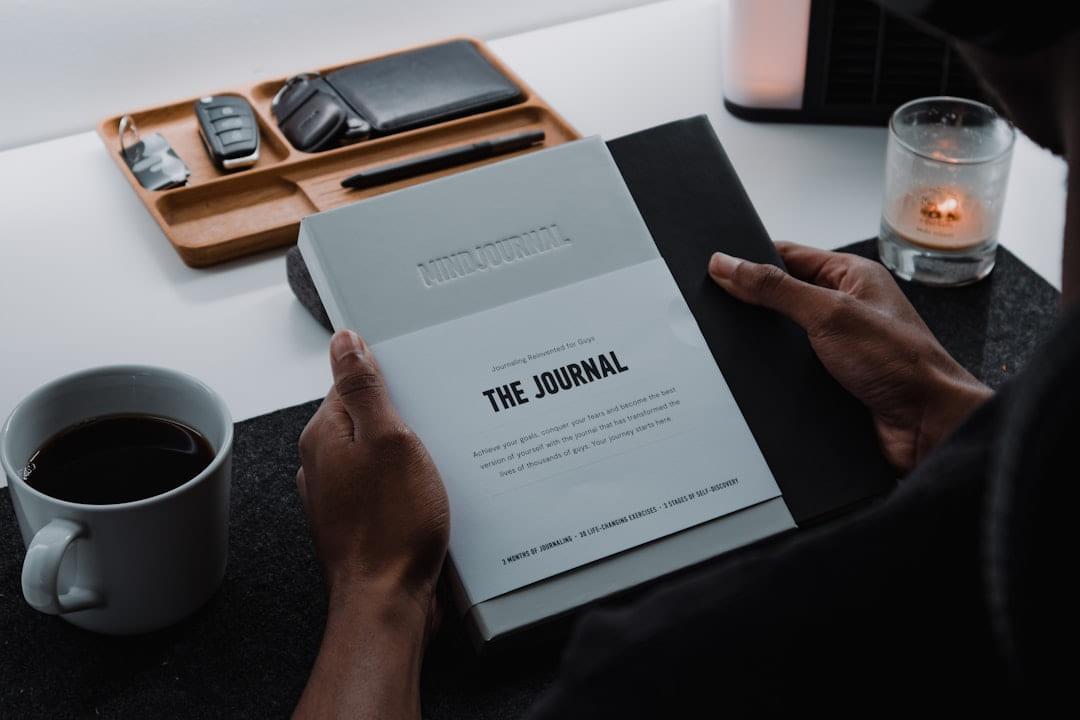
Intentional Living: Common Pitfalls
. It’s a phrase you hear a lot these days, often associated with a calmer, more meaningful life. But let’s be honest, the idea of truly living intentionally.
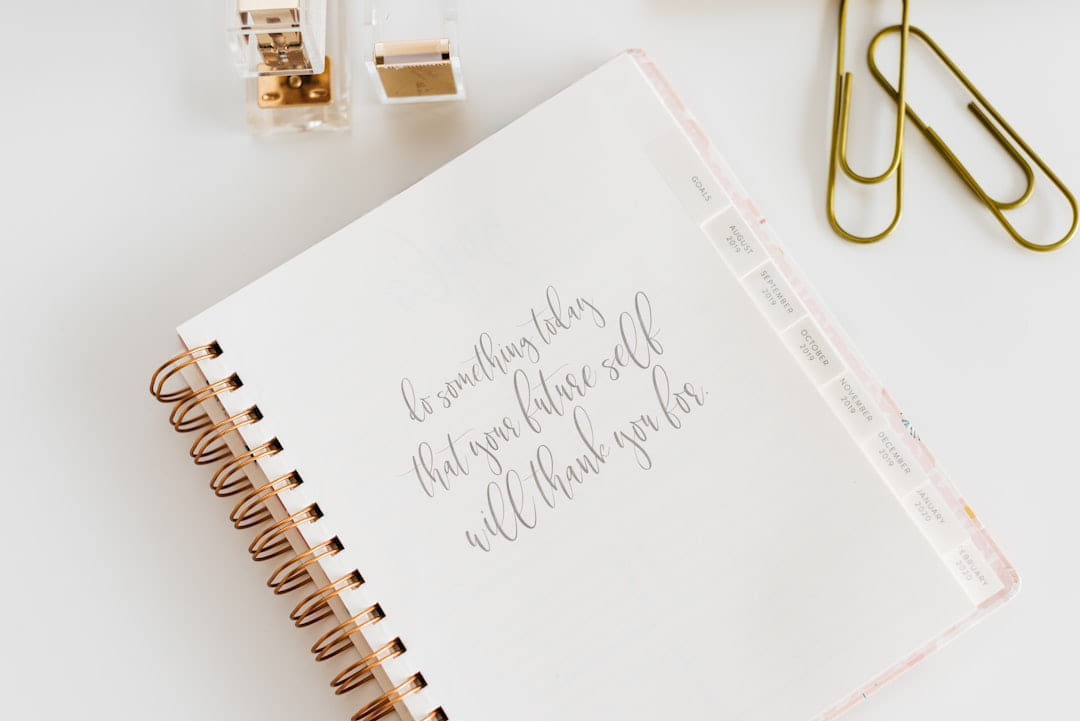
Intentional Living: Small Budget Shifts
The truth is, most of us don’t want to be financially stressed. We don’t want to constantly worry about bills or feel the pang of guilt after every purchase. But.