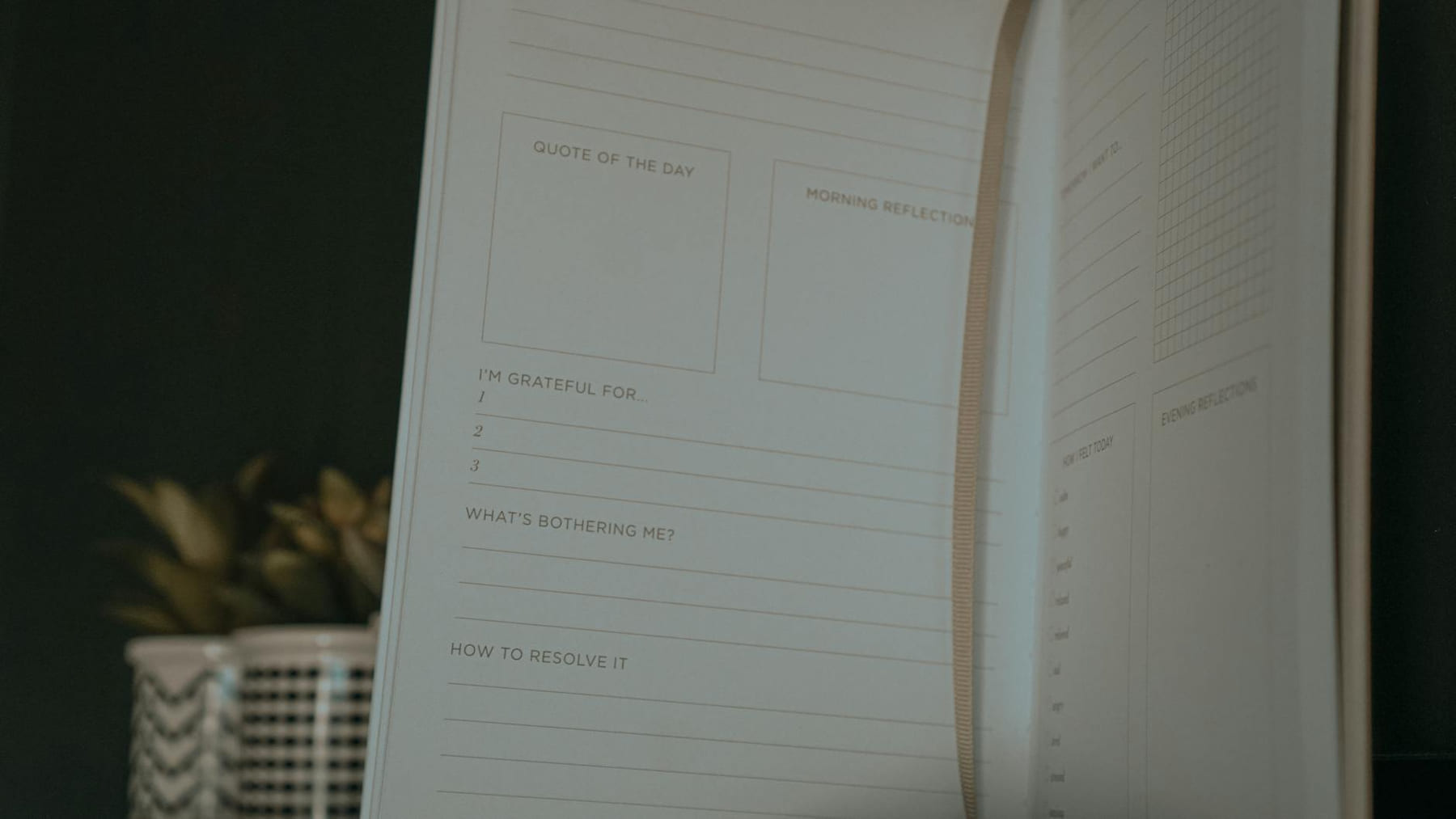
Cultivating Your Everyday Better can be easier to approach when you start with a few practical basics. ons consistently drain your energy? Do others leave you feeling energized and inspired? This isn’t about judging yourself; it’s about identifying patterns and making conscious choices about where you invest your time and attention. Keep a simple journal for a week, noting your energy levels after different activities.
2. Defining Your "Better": Setting Intentions, Not Goals
Goals are great for providing direction, but they can also be incredibly limiting. They often focus on what you want to achieve, rather than why you want to achieve it. Intentions, on the other hand, focus on how you want to be.
- Use the "I Choose" Framework: Frame your intentions using “I choose” statements. Instead of "I want to be more patient," try "I choose to respond with kindness and understanding, even when I'm feeling frustrated.” This shifts the focus from lack to action.
- Focus on Qualities, Not Outcomes: Instead of aiming for a specific outcome (e.g., "I want a promotion"), focus on cultivating a desired quality (e.g., "I choose to be proactive and take initiative"). The outcome will often follow naturally.
3. Building Momentum: Small, Consistent Actions
Creating a better life isn’t about making huge, dramatic changes all at once. It’s about building momentum through small, consistent actions that align with your intentions.
- The Two-Minute Rule: If a task feels overwhelming, break it down into a two-minute version. Want to start exercising? Do two minutes of stretching. Want to write? Write one sentence. These small wins create a sense of accomplishment and build momentum.
- Habit Stacking: Attach a new habit to an existing one. For example, "After I brush my teeth, I will meditate for five minutes." Leveraging existing routines makes it easier to incorporate new habits.
- Celebrate Small Wins: Acknowledge and celebrate your progress, no matter how small. This reinforces positive behavior and keeps you motivated. Keep a “wins” journal to track your accomplishments.
4. Cultivating a Growth Mindset: Embracing Challenges and Learning
A growth mindset - the belief that your abilities and intelligence can be developed through dedication and hard work - is absolutely essential for creating a better life.
- Reframe Failure as Learning: Everyone makes mistakes. Instead of viewing failure as a reflection of your worth, see it as an opportunity to learn and grow. Ask yourself, "What can I learn from this experience?"
- Embrace Discomfort: Growth happens outside of your comfort zone. Seek out challenges that push you to stretch your abilities.
- Focus on the Process, Not the Outcome: Enjoy the journey of learning and growth, rather than solely focusing on the end result.
5. Self-Care: The Non-Negotiable
You can’t pour from an empty cup. Prioritizing self-care isn’t selfish; it’s essential for maintaining your energy, resilience, and overall well-being.
- Identify Your Needs: What activities help you relax, recharge, and feel grounded? This could include anything from spending time in nature to taking a hot bath to practicing mindfulness.
- Schedule It In: Treat self-care activities like any other important appointment. Block out time in your calendar and stick to it.
- Listen to Your Body: Pay attention to your physical and emotional cues. If you’re feeling overwhelmed or burnt out, take a break.
Focus on the part that solves the problem
In a topic like Mindset and self-growth, the strongest starting point is usually the one you will notice and use right away. That is often more helpful than adding extra features too early.
Before spending more, it is worth checking the setup, upkeep, and learning curve. Small hassles matter here because they are usually what decide whether something stays useful or gets ignored.
It is easy to underestimate how much clarity comes from removing one unnecessary layer. In practice, trimming one complication often does more for Cultivating Your Everyday Better than adding one more feature, one more product, or one more clever workaround.
Where extra features get in the way
Another easy trap is copying a setup that made sense for someone with a different routine, budget, or tolerance for maintenance. In Mindset and self-growth, that mismatch is often what makes a promising idea feel frustrating later.
A lot of options sound great until you picture them in a normal week. If the setup is fussy, the routine is easy to forget, or the maintenance is annoying, the appeal fades quickly.
There is also value in keeping one part of the process deliberately simple. Readers often do better when they identify the one decision that carries the most weight and make that choice carefully before they chase smaller optimizations. That keeps momentum steady and usually prevents the topic from turning into clutter.
What makes the choice hold up
A better approach is to break Cultivating Your Everyday Better into smaller decisions and solve the highest-friction part first. Testing one practical change usually teaches more than trying to perfect everything in a single pass.
Leave a little room to adjust as you go. A setup that works in one budget range, season, or routine might need a small change later, and that is usually normal rather than a sign you got it wrong.
If this topic still feels crowded or overcomplicated, that is usually a sign to narrow the decision, not a sign that you need more noise. One careful adjustment, followed by honest observation, tends to teach more than another round of abstract tips.
How to keep the routine manageable
A grounded next step is usually better than a dramatic one. Pick one realistic change, see how it works in normal life, and let that result guide the next decision.
The version that holds up best is usually the one you can live with on an ordinary day. That often matters more than the version that only feels good when you have extra time, energy, or money.
That is why the best next step is often a modest one with a clear upside. You want something specific enough to act on, flexible enough to adjust, and practical enough that you would still recommend it after the first burst of enthusiasm fades.
What matters more than the sales pitch
Another useful filter is asking what you would still recommend if the budget got tighter, the schedule got busier, or the setup had to be easier for someone else to manage. The answers to that question usually reveal which advice is durable and which advice only works under ideal conditions.
If you want Cultivating Your Everyday Better to hold up over time, choose the version you can actually maintain. That can mean spending less, leaving out an attractive extra, or simplifying the setup so it fits ordinary life.
You do not need the flashiest answer here. You need the one that fits your space, budget, and routine well enough that you will still feel good about it after the first week.
Keep This Practical
Inner growth sticks when it becomes observable in daily life. Choose one reflection habit, boundary, or reset that helps you respond with more intention than autopilot.
Tools Worth A Look
The picks here are best used to support follow-through, not to replace the inner work itself.
- Mindset - Updated Edition: Changing The Way You think To Fulfil Your PotentialALKB Inspirational Wall Art Metal Sign 8 x 12 Inch, Inspiring Positive Quotes Room DecorThink and Grow Rich (An Official Publication of the Napoleon Hill Foundation)
Some of the links on this page are Amazon affiliate links, which means I may earn a small commission if you make a purchase through them. As an Amazon Associate, I earn from qualifying purchases.
Related ReadingMore from Inner Progress Project
Shifting Your Mindset: Growth & Avoiding Pitfalls
deserves a little more room than a quick summary because most readers are trying to make a real decision, not just skim a few s...
Shifting Your Inner Compass
can be easier to approach when you start with a few practical basics. * What are your core values? (Think about what’s *truly* important to you - hon...
Starting Your Growth: Common Beginner Mistakes
A beginner-friendly explanation of starting your growth: common beginner mistakes that keeps the guidance more practical and less overwhelming.