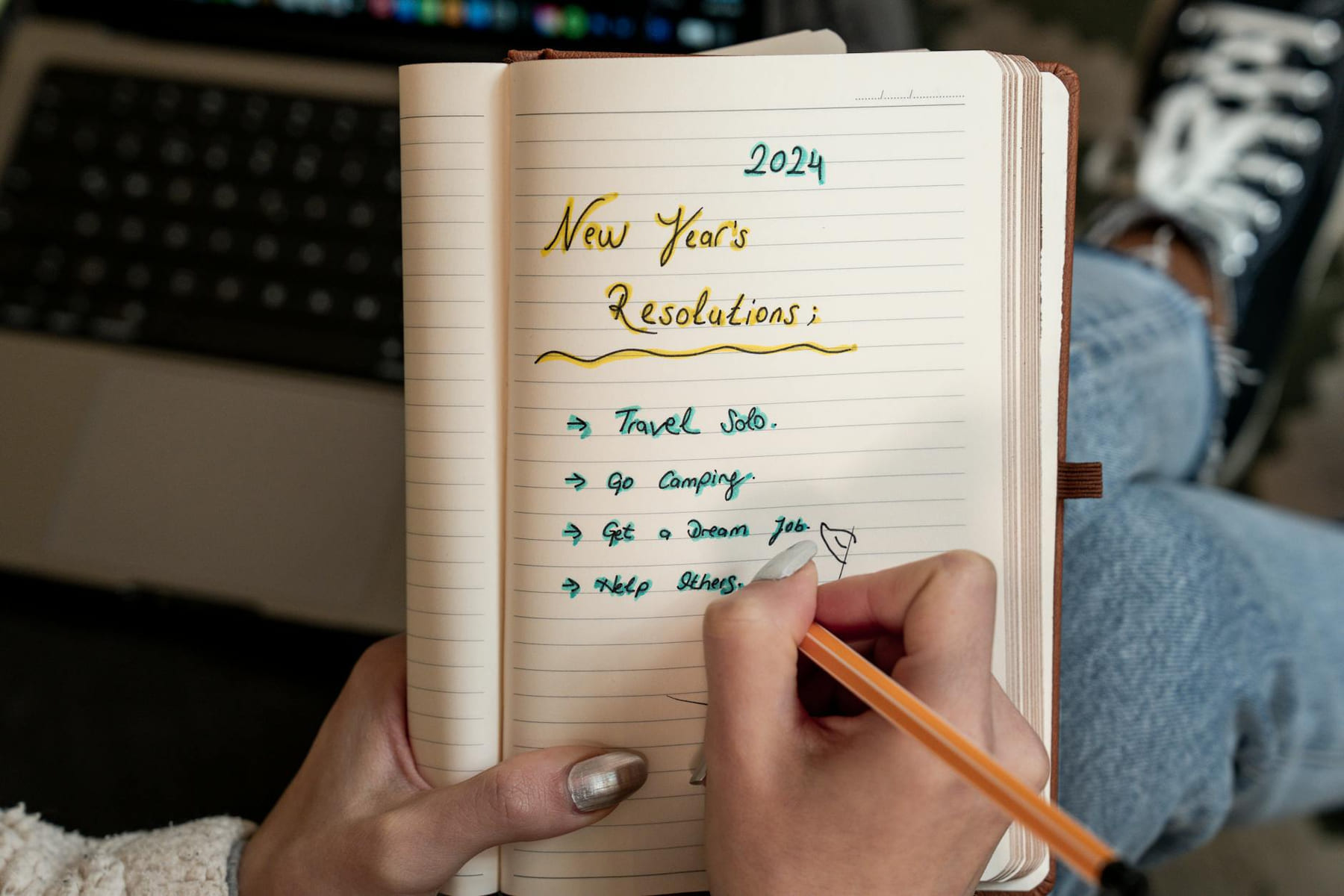
Shifting Your Mindset: A 30-Day Start: A topic like this becomes easier to use when you focus on what matters first, keep the next step practical, and ignore the extra noise.
April 02, 2026
Ready to unlock a more positive, resilient, and fulfilling life? A 30-day mindset challenge can be a powerful catalyst for change, gently nudging you towards new habits and a more conscious way of being. But simply knowing you should do one isn’t enough. To truly reap the benefits, you need a plan - a structured approach that feels manageable and, most importantly, sustainable. This guide will walk you through everything you need to know to create a 30-day mindset challenge that works for you, not against you.
Let’s Be Honest, Idea 30-day Challenge
Let’s be honest, the idea of a 30-day challenge can feel daunting. It’s easy to get caught up in the pressure of “doing” and forget the core purpose: cultivating a shift in your mindset. This isn’t about achieving a monumental transformation in 30 days; it’s about building momentum, fostering self-awareness, and establishing practices that you can carry with you long after the challenge ends.
Core Pillars of a Successful 30-Day Challenge
Before diving into the “how,” let’s establish the “what.” A truly effective 30-day mindset challenge isn’t just a random collection of activities. It’s built around a few key pillars, designed to address common areas where mindset can be improved:
Self-Compassion
This is arguably the most important pillar. Life throws curveballs. You’ll make mistakes, have bad days, and sometimes feel completely overwhelmed. When you do, treat yourself with the same kindness and understanding you’d offer a dear friend. A powerful technique is writing a letter to yourself as you would to someone you care about who’s struggling. Acknowledge your feelings, validate your experience, and offer words of encouragement.
Limiting Beliefs
We all hold beliefs - often unconscious - that shape our perceptions and limit our potential. These beliefs can be incredibly damaging. Identify a belief that’s holding you back - “I’m not good enough,” “I’ll never succeed,” “I’m not worthy of love” - and challenge it with evidence. Is it truly true? Where did it come from? Often, limiting beliefs are based on past experiences or the opinions of others. Instead of accepting them as facts, actively question them. For example, if you believe "I'm not creative," ask yourself: "Have I ever created anything? What evidence do I have that I don’t have creative potential?" Replace the negative belief with a more empowering one: “I’m still developing my creativity, and I’m open to exploring new ways to express myself.”
What To Do Next
Use the ideas above to choose one clear next move, test it in your own situation, and keep refining from there. That approach tends to produce better long-term decisions than trying to solve everything at once.
Keep This Practical
The most useful mindset work usually shows up in one repeatable choice, not one dramatic realization. Pick the thought pattern or routine that would make this week feel steadier and practice there first.
Tools Worth A Look
If you want the mindset work in this article to feel easier to practice, the products below are the closest match.
- The 88 Laws Of The Masculine MindsetReflections On Self Growth: A Transformation Guide To Boost Your Life Through ReflectionEarl Nightingale's Strategic Thinking: Improve Mental Clarity, Solve Problems, and Become More CreativeGrowth Mindset Mastery: Break Limiting Beliefs for Real TransformationHabits for Success: The Pathway to Self-Mastery and Freedom (Official Nightingale Conant Publication)
Some of the links on this page are Amazon affiliate links, which means I may earn a small commission if you make a purchase through them. As an Amazon Associate, I earn from qualifying purchases.
Related ReadingMore from Inner Progress Project

30 Days to Shift: Your Mindset Challenge FAQs
30 Days to Shift: Your Mindset Challenge FAQs: A topic like this becomes easier to use when you focus on what matters first, keep the next step practical.

Mindset Challenges: 30 Days vs. What’s Right for You
The options that age well are usually the ones that are easy to repeat. Reliability and low hassle often matter more than the most impressive-looking feature list.
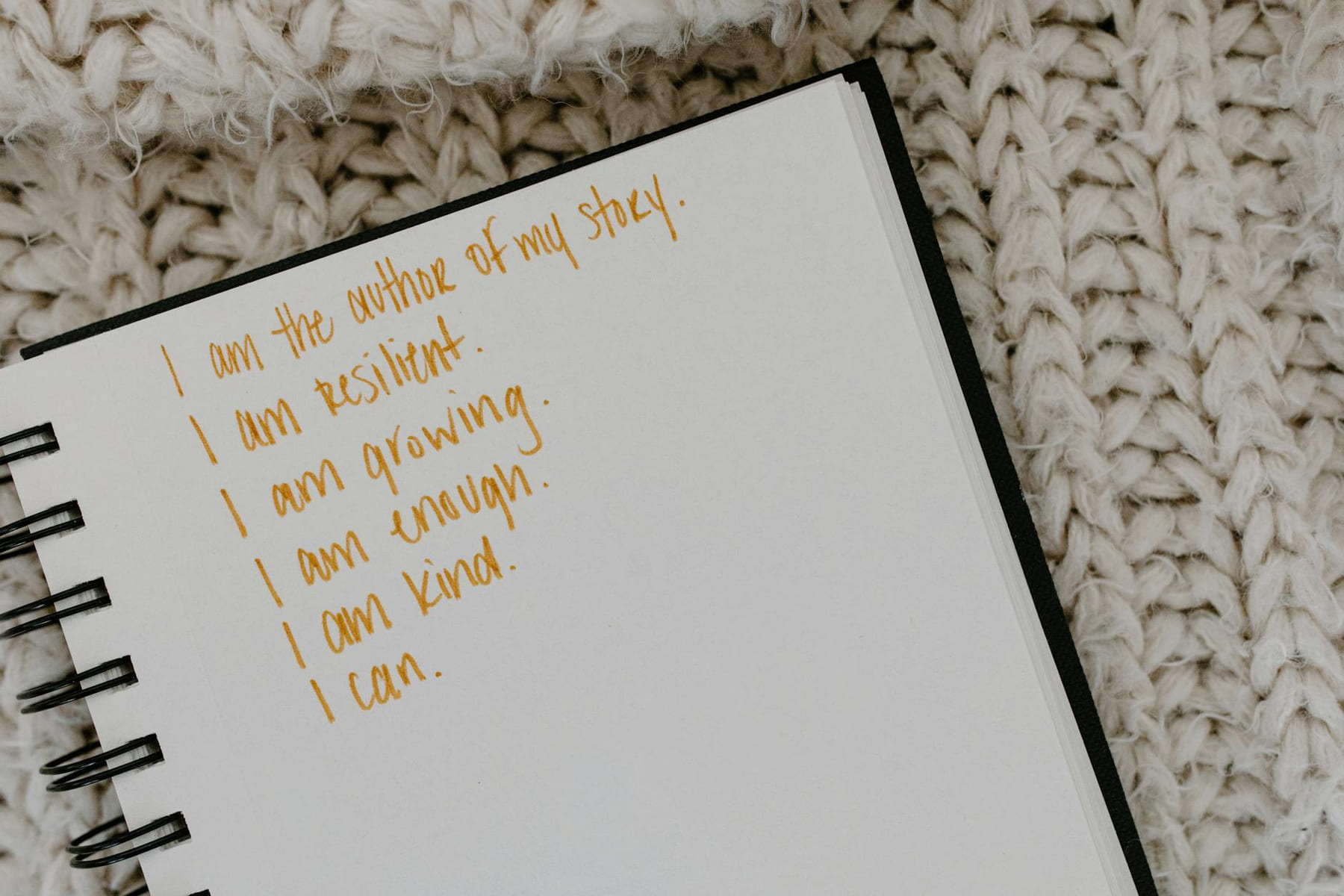
Stuck on Day 15? Mindset Challenge Fixes
So, you’ve jumped into a 30-day mindset challenge. Fantastic! That’s a huge step towards prioritizing your mental well-being and actively working on personal.