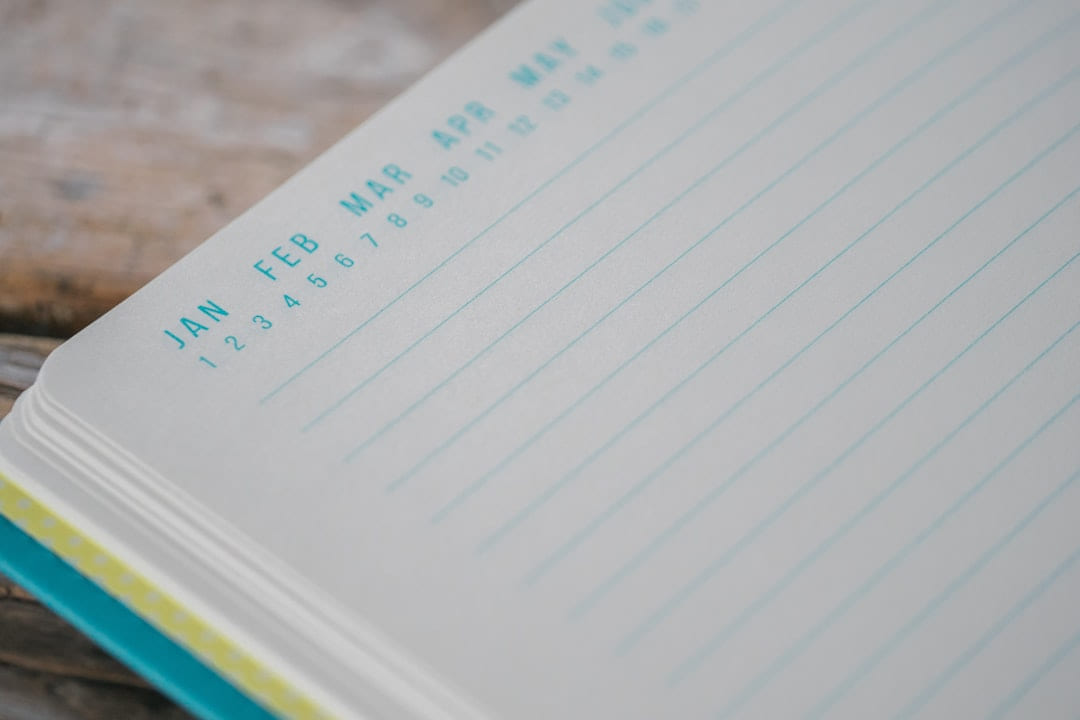
Step at a Time can be easier to approach when you start with a few practical basics. Tracking Your Progress: Tracking is absolutely crucial for maintaining momentum and identifying potential roadblocks. It doesn’t have to be a complex spreadsheet or a sophisticated app (although those can be helpful!). A simple notebook, a habit tracker app (there are tons of free and paid options available - Habitica, Streaks, Loop Habit Tracker are popular choices), or even a calendar can work wonders. The goal is to visually represent your consistency. Seeing a string of checkmarks or filled-in days can be incredibly motivating. Don’t aim for perfection; missed days happen. The important thing is to get back on track the next day. Focus on the overall trend - are you generally consistent, or are there specific days or times where you struggle?
Example Tracking Methods:
- Simple Checklist: A basic list with the habit name and a checkbox for each day.
- Habit Tracker App: Apps like Habitica gamify the process, offering rewards and challenges.
- Calendar Marking: Marking completed habits directly on your calendar.
- Journaling: Briefly noting your completion of the habit in a daily journal.
Common Roadblocks & Solutions (Approx. 200 words) (Step at a Time)
Let’s be honest - building habits isn’t always a smooth, linear journey. It’s filled with bumps, detours, and occasional frustrations. Procrastination is a remarkably common hurdle. If you’re finding it difficult to get started, break down the habit into even smaller, more manageable steps. Instead of “Write for an hour,” try “Write for 5 minutes.” Similarly, if you’re struggling with motivation, start with a ridiculously easy version of the habit. Lack of time is another frequent complaint. Time blocking - scheduling specific times for your habit - can be incredibly effective. Treat these blocks as non-negotiable appointments with yourself. Don’t just intend to do it; schedule it in. Self-doubt is a sneaky saboteur. Negative self-talk can quickly derail your progress. Positive self-talk is your friend. Remind yourself of your ‘why’ - why is this habit important to you? Focus on the small wins - celebrating each completed habit, no matter how minor, reinforces the positive association. Don’t compare yourself to others; everyone’s journey is different. Social media often presents a highly curated version of reality. Just keep showing up, one small step at a time, and celebrate your individual progress.
Adjusting & Revisiting Your ‘Why’ (Approx. 150 words)
Phase 4 & 5 aren’t just about maintaining; they’re also about refining. It’s entirely possible that the initial habit you chose needs tweaking. Perhaps it’s too difficult, too time-consuming, or simply not aligning with your current priorities. Don’t be afraid to adjust! This is a crucial part of the process. If a habit feels consistently overwhelming, scale it back. Instead of aiming for 30 minutes of exercise, start with 10. If you’re consistently struggling to complete a habit, consider whether the timing is right. Maybe you’re trying to do it when you’re already exhausted. More importantly, revisit your ‘why’. Sometimes, our motivations shift, and our initial reasons for wanting to adopt a habit may no longer resonate. Reconnect with your core values and ensure the habit still aligns with your overall goals. A strong ‘why’ is a powerful motivator, especially during challenging times.
Pick the easiest win first
Most people get better results with Building Better Habits, One Step at a Time when they narrow the decision to one real problem. That could be saving time, trimming cost, reducing friction, or making the routine easier to keep up.
This usually gets easier once you make a short list of priorities. A tighter list tends to produce better decisions than trying to solve every possible problem at once.
Another useful filter is asking what you would still recommend if the budget got tighter, the schedule got busier, or the setup had to be easier for someone else to manage. The answers to that question usually reveal which advice is durable and which advice only works under ideal conditions.
The tradeoff most people notice late
One common mistake with Building Better Habits, One Step at a Time is expecting every option to solve the whole problem. In reality, some choices are better for convenience, some for reliability, and some simply for keeping the budget under control.
Before spending more, it is worth checking the setup, upkeep, and learning curve. Small hassles matter here because they are usually what decide whether something stays useful or gets ignored.
It is easy to underestimate how much clarity comes from removing one unnecessary layer. In practice, trimming one complication often does more for Building Better Habits, One Step at a Time than adding one more feature, one more product, or one more clever workaround.
What makes this easier to live with
The options that age well are usually the ones that are easy to repeat. Reliability and low hassle often matter more than the most impressive-looking feature list.
In a topic like Mindset and self-growth, manageable almost always beats impressive. If something is simple enough to keep using, it is usually doing more real work for you.
Readers usually get better results when they treat advice as something to test and refine, not something to obey perfectly. That mindset creates room for real judgment, which is often the difference between content that sounds smart and guidance that is actually useful.
How to avoid extra hassle
When you are deciding what to do next, aim for the option that reduces friction and gives you a clearer read on what matters most. That is usually how Building Better Habits, One Step at a Time becomes more useful instead of more complicated.
Leave a little room to adjust as you go. A setup that works in one budget range, season, or routine might need a small change later, and that is usually normal rather than a sign you got it wrong.
If this topic still feels crowded or overcomplicated, that is usually a sign to narrow the decision, not a sign that you need more noise. One careful adjustment, followed by honest observation, tends to teach more than another round of abstract tips.
What is worth paying for
There is also value in keeping one part of the process deliberately simple. Readers often do better when they identify the one decision that carries the most weight and make that choice carefully before they chase smaller optimizations. That keeps momentum steady and usually prevents the topic from turning into clutter.
A better approach is to break Building Better Habits, One Step at a Time into smaller decisions and solve the highest-friction part first. Testing one practical change usually teaches more than trying to perfect everything in a single pass.
A grounded next step is usually better than a dramatic one. Pick one realistic change, see how it works in normal life, and let that result guide the next decision.
Conclusion (Approx. 250 words)
Keep This Practical
The most useful mindset work usually shows up in one repeatable choice, not one dramatic realization. Pick the thought pattern or routine that would make this week feel steadier and practice there first.
Tools Worth A Look
If you want the mindset work in this article to feel easier to practice, the products below are the closest match.
- The Ultimate Growth Mindset Guide For Kids Made Simple: Unlock Potential, Build Resilience, And Cultivate Confidence For Lifelong Success in School And BeyondDon't Believe Everything You Think: Why Your Thinking Is The Beginning and End Of Suffering (Beyond Suffering)Reflections On Self Growth: A Transformation Guide To Boost Your Life Through Reflection
Some of the links on this page are Amazon affiliate links, which means I may earn a small commission if you make a purchase through them. As an Amazon Associate, I earn from qualifying purchases.
Related ReadingMore from Inner Progress Project

Building Better Habits: A Quiet Guide
Building Better Habits: A Quiet Guide offers a clearer, more practical take on habit formation so readers can make the next move with less confusion and more.
Habits or Something More?
Beyond the Routine: A More Human Approach to Growth in 2026 Let’s be real: how many times have you started a year brimming with ambitious “good habits” - more.

Stuck on Habits? Let’s Unpack It
A more usable guide to stuck on habits? let’s unpack it, focused on practical habit formation decisions instead of generic advice.