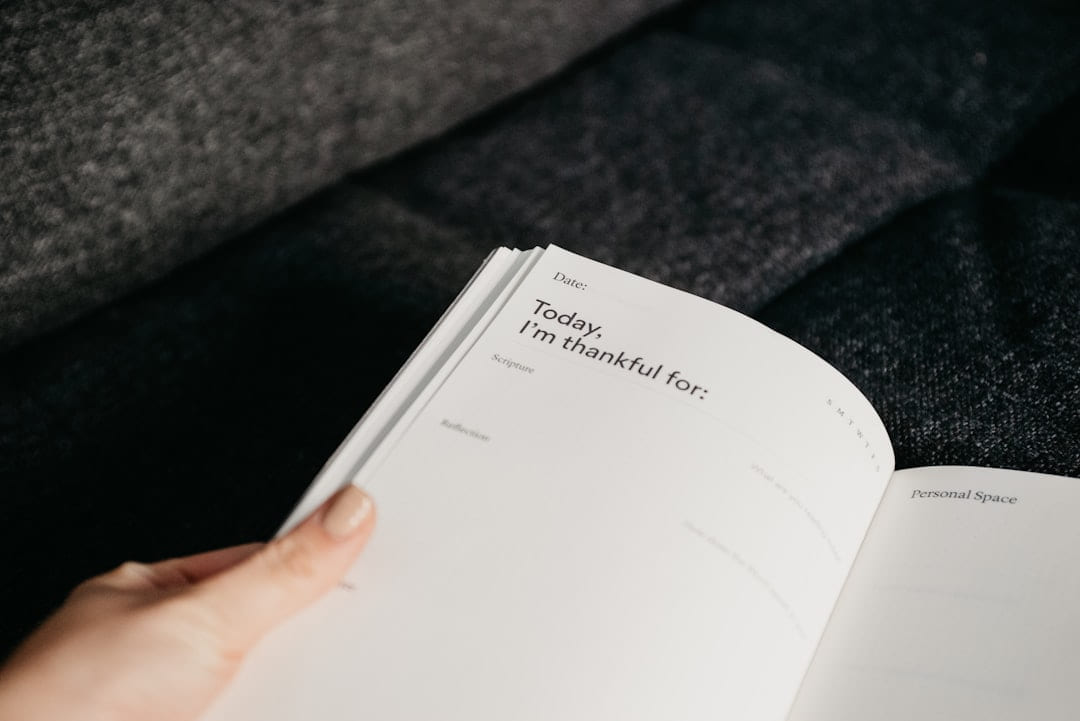
So, what’s the alternative? I’ve found that connecting your actions to what you truly believe in creates a much stronger drive. This is where “values-based living” comes in. It’s about intentionally choosing your daily actions to match what’s most important to you. Think of it as asking yourself, “If I were living my ideal life, what would I be doing?” Identifying your core values isn’t about making grand pronouncements. It’s about digging a little deeper. A simple way to start is to spend some time reflecting on times you felt truly energized, engaged, and aligned. What were you doing? What values were being expressed in those moments? You can also find some free questionnaires online that can help you figure out what’s truly important to you. Common values include things like creativity, connection, learning, integrity, service, adventure, and security. Let’s say someone values creativity. That doesn’t necessarily mean they have to be an artist. It might mean they prioritize activities that spark their imagination - taking a pottery class, spending time in nature, or simply dedicating 30 minutes a week to free-writing. For someone who values efficiency, they might focus on streamlining their workflow and eliminating unnecessary tasks. The key is that the how is informed by the why.
The Magic of Curious Exploration
Now, this is where things shift away from the pressure of habit formation. Instead of trying to force a new habit, let’s embrace the power of mindful experimentation. This isn’t about setting rigid goals; it’s about intentionally testing your assumptions about yourself. Think of it like a scientist running an experiment. You start with a hypothesis, design a small test, and observe the results. Instead of saying, “I’m going to meditate for 30 minutes every day,” try this: “I’m going to spend 15 minutes each morning just being with my breath, without trying to achieve anything.” Notice how you feel. Does it bring you a sense of calm? Does it make you feel restless? The point isn’t to become a meditation master; it’s to learn something about yourself. It’s crucial to focus on learning through action, not just striving for a specific outcome. You might try a new creative outlet - photography, coding, even just rearranging your furniture - for 30 minutes a week. Don’t judge the results. Don’t worry about being “good” at it. Just pay attention to what sparks joy and what doesn’t.
A Journey, Not a Destination: Iterative Growth
Combining It All: Flexibility and Realism
It’s not about choosing one approach over the other. Habit formation can still be a useful tool, particularly for establishing foundational routines - things like consistent sleep, healthy eating, and regular exercise. but those routines should be rooted in your values and informed by your experiments. Integrating values, experimentation, and self-discovery creates a much richer and more sustainable path to personal growth. And that’s where a concept like “psychological flexibility,” borrowed from Acceptance and Commitment Therapy (ACT), becomes really helpful. It’s about the ability to adapt and respond to experiences as they are, without judgment or resistance. It’s not about suppressing difficult emotions; it’s about choosing to act in accordance with your values, even when things are challenging.
Pick the easiest win first
Most people get better results with Habits or Something More? when they narrow the decision to one real problem. That could be saving time, trimming cost, reducing friction, or making the routine easier to keep up.
This usually gets easier once you make a short list of priorities. A tighter list tends to produce better decisions than trying to solve every possible problem at once.
Another useful filter is asking what you would still recommend if the budget got tighter, the schedule got busier, or the setup had to be easier for someone else to manage. The answers to that question usually reveal which advice is durable and which advice only works under ideal conditions.
The tradeoff most people notice late
One common mistake with Habits or Something More? is expecting every option to solve the whole problem. In reality, some choices are better for convenience, some for reliability, and some simply for keeping the budget under control.
Before spending more, it is worth checking the setup, upkeep, and learning curve. Small hassles matter here because they are usually what decide whether something stays useful or gets ignored.
It is easy to underestimate how much clarity comes from removing one unnecessary layer. In practice, trimming one complication often does more for Habits or Something More? than adding one more feature, one more product, or one more clever workaround.
What makes this easier to live with
The options that age well are usually the ones that are easy to repeat. Reliability and low hassle often matter more than the most impressive-looking feature list.
In a topic like Mindset and self-growth, manageable almost always beats impressive. If something is simple enough to keep using, it is usually doing more real work for you.
Readers usually get better results when they treat advice as something to test and refine, not something to obey perfectly. That mindset creates room for real judgment, which is often the difference between content that sounds smart and guidance that is actually useful.
How to avoid extra hassle
When you are deciding what to do next, aim for the option that reduces friction and gives you a clearer read on what matters most. That is usually how Habits or Something More? becomes more useful instead of more complicated.
Leave a little room to adjust as you go. A setup that works in one budget range, season, or routine might need a small change later, and that is usually normal rather than a sign you got it wrong.
If this topic still feels crowded or overcomplicated, that is usually a sign to narrow the decision, not a sign that you need more noise. One careful adjustment, followed by honest observation, tends to teach more than another round of abstract tips.
What is worth paying for
There is also value in keeping one part of the process deliberately simple. Readers often do better when they identify the one decision that carries the most weight and make that choice carefully before they chase smaller optimizations. That keeps momentum steady and usually prevents the topic from turning into clutter.
A better approach is to break Habits or Something More? into smaller decisions and solve the highest-friction part first. Testing one practical change usually teaches more than trying to perfect everything in a single pass.
A grounded next step is usually better than a dramatic one. Pick one realistic change, see how it works in normal life, and let that result guide the next decision.
A low-stress way to begin
That is why the best next step is often a modest one with a clear upside. You want something specific enough to act on, flexible enough to adjust, and practical enough that you would still recommend it after the first burst of enthusiasm fades.
You do not need the flashiest answer here. You need the one that fits your space, budget, and routine well enough that you will still feel good about it after the first week.
The version that holds up best is usually the one you can live with on an ordinary day. That often matters more than the version that only feels good when you have extra time, energy, or money.
Wrapping Up
Building a life you genuinely enjoy isn't about mastering the habit loop. It’s about consciously aligning your actions with what truly matters to you, and embracing the uncertainty of the process. I encourage you to take a small step this week: identify one core value that you want to prioritize and ask yourself, “How can I live more authentically in alignment with that value today?” ---
Keep This Practical
Inner growth sticks when it becomes observable in daily life. Choose one reflection habit, boundary, or reset that helps you respond with more intention than autopilot.
Tools Worth A Look
The picks here are best used to support follow-through, not to replace the inner work itself.
- The Growth Mindset Journey SeriesGROWTH MINDSET: Developing a Growth Mindset to Respond ResponsiblyKREATIVE ARTS Success Is Not An Accident Canvas Wall ArtThe Growth Mindset SeriesHabits for Success: The Pathway to Self-Mastery and Freedom (Official Nightingale Conant Publication)
Some of the links on this page are Amazon affiliate links, which means I may earn a small commission if you make a purchase through them. As an Amazon Associate, I earn from qualifying purchases.
Related ReadingMore from Inner Progress Project
Building Better Habits, One Step at a Time
Step at a Time can be easier to approach when you start with a few practical basics. Tracking Your Progress: Tracking is absolutely crucial for maintaining.
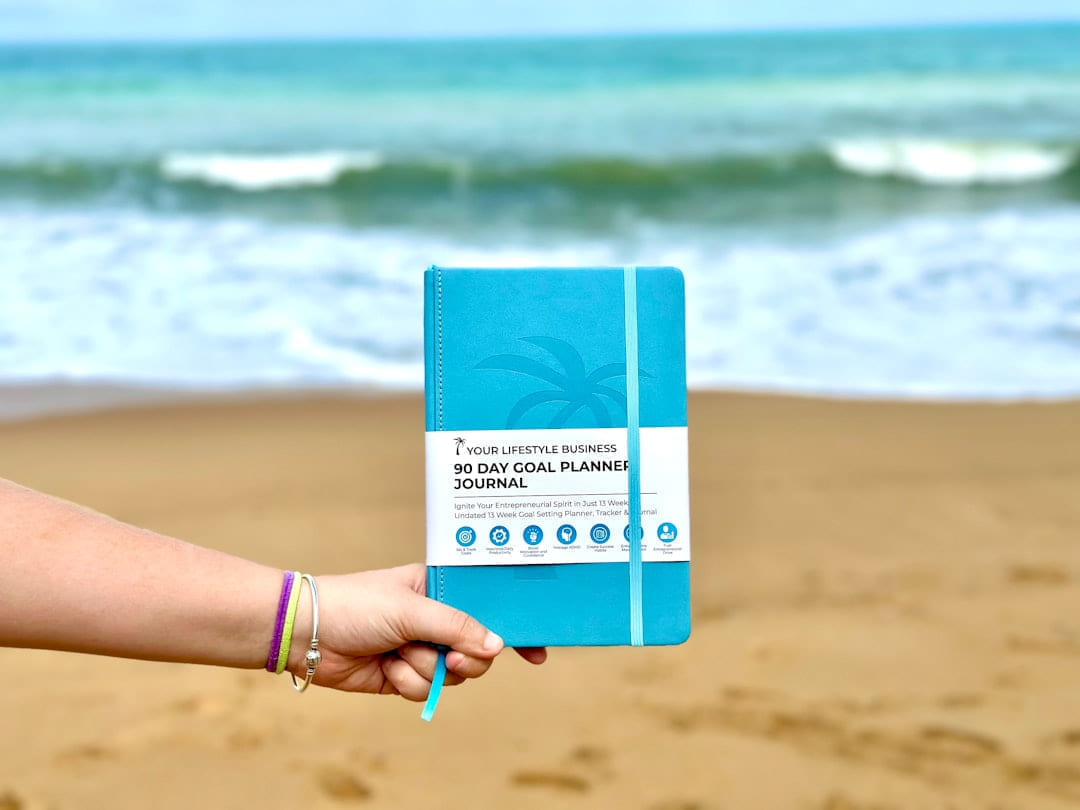
Building Better Habits: A Quiet Guide
Building Better Habits: A Quiet Guide offers a clearer, more practical take on habit formation so readers can make the next move with less confusion and more.

Stuck on Habits? Let’s Unpack It
A more usable guide to stuck on habits? let’s unpack it, focused on practical habit formation decisions instead of generic advice.