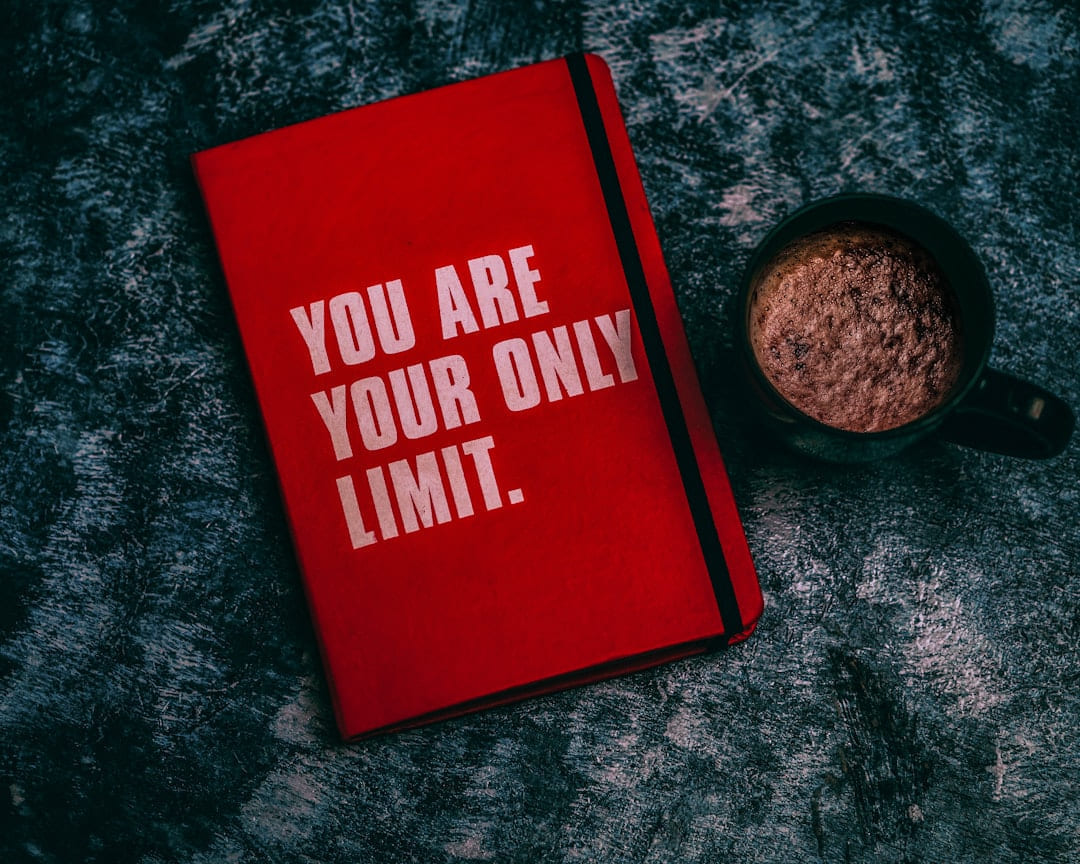
Your Daily can be easier to approach when you start with a few practical basics.
It happens to the best of us: you look at a list of all the things you should be doing to grow as a person - learn a new skill, meditate, write, overhaul your diet - and suddenly, the whole thing feels just… too much. It’s a really common feeling, and honestly, aiming for huge, sweeping changes can be exhausting, often leading to a cycle of excitement followed by a disappointing crash. But there’s a much kinder, more sustainable way to move forward. Building a daily self-growth routine doesn’t require a complete life overhaul; it’s about consistently incorporating small, manageable practices that, over time, create a ripple effect of positive change. This article will break down how to create a routine that actually sticks, focusing on the idea of tiny habits and a flexible approach that works for you.
Why Big Goals Often Fall Apart (Your Daily)
Let’s be honest, we’ve all been there. We set these ambitious goals - “I’m going to run a marathon!” or “I’m going to learn Spanish!” - and within a week, they’ve already lost their shine. The initial excitement fades, and suddenly, the thought of even starting feels overwhelming. Procrastination creeps in, fueled by the feeling that you’re not ready, that you need to be perfect before you begin. This isn’t about a lack of motivation; it’s about how our brains respond to big challenges. Big goals trigger a stress response, activating the amygdala - the part of our brain responsible for fear and anxiety. This can make it harder to focus, plan, and actually take action. I remember a friend, Sarah, who decided she was going to write a novel. She spent weeks outlining, researching, and buying fancy stationery, but she never actually wrote a single word. She’d get paralyzed by the sheer size of the project, telling herself she needed the perfect idea before she could even start. It’s a completely understandable reaction, but it in practice blocked her progress. There’s a better way - a more sustainable approach.
The Magic of Micro-Habits
So, what’s the alternative? It’s all about micro-habits. These are incredibly small actions - so small they’re almost laughably easy to do. Think of them as tiny seeds that, when consistently nurtured, can grow into something substantial. Instead of aiming to meditate for 30 minutes, you might start with just one minute. Instead of committing to writing a chapter a day, you write just one sentence. Examples? “Write one sentence in a journal,” “Do one push-up,” “Meditate for one minute,” “Read one page of a book,” “Drink a glass of water.” The psychological benefits are huge. Micro-habits require minimal willpower, which is a resource we often deplete when tackling larger challenges. Because they’re so easy, they bypass that resistance in our brains and build momentum. Even if you only do your micro-habit 70% of the time, that’s still 70% of the time you’re moving forward. And the cumulative effect is remarkable. Those tiny, consistent actions add up over weeks, months, and years, creating a powerful foundation for lasting change.
Building a Routine That Fits *You*
Now, let’s talk about how to actually build this routine. The great thing about micro-habits is that they’re incredibly flexible. You don’t need a rigid schedule. Instead, think of it as a framework - a collection of areas you want to focus on, with options within each area. Here’s a breakdown of categories you might consider: * Mindfulness: This could include meditation, deep breathing exercises, or simply taking a few moments to notice your surroundings.
- Movement: This doesn’t have to mean grueling workouts. Stretching, a short walk, or even just standing up and moving around every hour can make a difference.
- Learning: This could be reading a few pages of a book, listening to a podcast, or learning a new word.
- Reflection: Journaling, gratitude exercises (listing three things you’re grateful for), or simply taking a few minutes to think about your day can help you process your experiences.
- Creative Expression: This could be anything that lets you tap into your creativity - drawing, writing, playing music, or even just doodling. what helps most is to choose activities that genuinely resonate with you. Don’t force yourself to do something just because you think it’s “good for you.” If you hate journaling, don’t make it a requirement. Start with one micro-habit from each category, and then adjust as you go. For many people, starting with just one micro-habit is the most effective strategy. It’s less overwhelming and creates a solid foundation.
Start Small and Connect to What You Already Do
Seriously, starting small is key. Resist the urge to try to do too much at once. Focus on consistency over intensity. Once you’ve established one micro-habit, you can gradually add others, but don’t rush the process. A helpful technique is habit stacking - linking a new habit to an existing one. For example, “After I brush my teeth in the morning, I will drink a glass of water.” Or, “Before I sit down to work, I will take three deep breaths.” These small connections make it easier to remember and integrate new habits into your daily routine. Another effective strategy is “if-then” planning: “If I finish dinner, then I will clear the table.” The more seamlessly you can weave new habits into your existing routine, the more likely you are to stick with them.
Tracking and Bouncing Back
It’s helpful to track your progress, but don’t let it become a source of stress. Simple methods work best - a habit tracker app, a checklist, or even just a tally mark on a calendar. The goal isn’t to achieve 100% consistency; it’s to build momentum. Setbacks are inevitable. You’ll miss days, you’ll get distracted, you’ll feel discouraged. That’s okay. Don’t beat yourself up about it. Acknowledge the setback, learn from it, and get back on track as soon as possible. Sometimes, it’s helpful to restart your micro-habit from the beginning. Other times, it’s enough to simply focus on the progress you’ve made so far. Remember, self-growth is a journey, not a destination.
Your First Step
What’s one tiny habit you can commit to starting today?
Keep This Practical
A better mindset rarely arrives all at once. It grows when you keep one small promise to yourself often enough that it starts to feel trustworthy.
Tools Worth A Look
These recommendations fit readers who want support for reflection, habit-building, or steadier day-to-day self-management.
- Think and Grow Rich Deluxe Edition (Official Publication of the Napoleon Hill Foundation)Growth Mindset vs Fixed Mindset: Turning Challenges into Opportunities for Growth (The Mindset Mastery Series Book 1)Growth Mindset vs Fixed Mindset: Turning Challenges into Opportunities for Growth (The Mindset Mastery Series)A Growth Mindset For Teens: Practical Lessons & Activities to Build ConfidenceKREATIVE ARTS Success Is Not An Accident Canvas Wall Art
Some of the links on this page are Amazon affiliate links, which means I may earn a small commission if you make a purchase through them. As an Amazon Associate, I earn from qualifying purchases.
Related ReadingMore from Inner Progress Project
Unsticking Your Growth: Mindset Ideas
Navigating the ‘Inner Progress Plateau’ Unsticking Your Growth: Mindset can be easier to approach when you start with a few practical basics. Let’s be honest: we.

Shift Your Thinking, Shape Your Life
for Success: Building a Foundation for Lasting Growth This isn’t about some airy-fairy motivational speech. It’s about understanding the subtle, often unconscious...
Mindset FAQs: Your Growth Questions Answered
Self-growth, then, is the active process of intentionally developing yourself - your skills, your character, your understanding of the world, and your overall.