
What Exactly *Is* Emotional Regulation? (Calm Your)
Calm Your can be easier to approach when you start with a few practical basics. Emotional regulation isn’t about becoming emotionless or robotic. It’s about having the ability to respond to challenging emotions in a way that’s adaptive and constructive. Think of it like this: your emotions are like waves. You can’t stop the waves from coming in, but you can learn to surf them, to navigate them, and to avoid getting swept away.
Without effective emotional regulation, we’re more likely to react impulsively, say things we regret, make poor decisions, and damage relationships. With it, we gain a sense of control, resilience, and the ability to handle life’s inevitable curveballs with greater grace.
The Neuroscience Behind It: Why Does Emotional Regulation Matter?
It’s helpful to understand why this matters on a biological level. The amygdala, the part of your brain responsible for processing fear and threat, often kicks into overdrive before your prefrontal cortex - the area responsible for rational thought and decision-making. This creates a “fight or flight” response, leading to intense emotions and potentially impulsive behaviors.
Emotional regulation skills essentially train your prefrontal cortex to step in and take control. Practices like mindfulness and deep breathing activate the parasympathetic nervous system, which counteracts the “fight or flight” response and promotes a sense of calm. Research consistently shows that individuals with stronger emotional regulation skills have lower levels of cortisol (the stress hormone) and improved cardiovascular health.
Building Your Emotional Regulation Toolkit: Practical Techniques
Now, let’s get to the good stuff - how you can actually develop these skills. Here are some techniques you can start incorporating into your daily life:
1. Mindfulness and Awareness
This is arguably the foundation of emotional regulation. Mindfulness involves paying attention to the present moment without judgment. It’s about noticing your thoughts, feelings, and bodily sensations as they arise, without getting swept away by them.
Practical Example: Try a simple body scan meditation. Start by focusing on your toes, noticing any sensations - warmth, tingling, pressure. Slowly move your attention up your body, paying attention to each part. If your mind wanders (and it will!), gently bring it back to the present moment.
2. Deep Breathing Exercises
When you’re feeling overwhelmed, your breathing often becomes shallow and rapid. Deep breathing can instantly calm your nervous system.
Practical Example: Try the 4-7-8 technique: Inhale for 4 seconds, hold for 7 seconds, exhale for 8 seconds. Repeat several times. This activates the vagus nerve, which plays a crucial role in regulating the nervous system.
3. Cognitive Reframing
This technique involves challenging negative thoughts and replacing them with more balanced and realistic ones. It’s about recognizing that your thoughts aren’t always facts.
Practical Example: Let's say you receive criticism at work. Instead of thinking, “I’m a failure,” you could reframe it as, “This feedback is an opportunity to learn and improve.”
4. Grounding Techniques
Grounding techniques help you reconnect with the present moment when you’re feeling anxious or disconnected.
Practical Example: The 5-4-3-2-1 technique: Name 5 things you can see, 4 things you can touch, 3 things you can hear, 2 things you can smell, and 1 thing you can taste.
5. Emotional Labeling
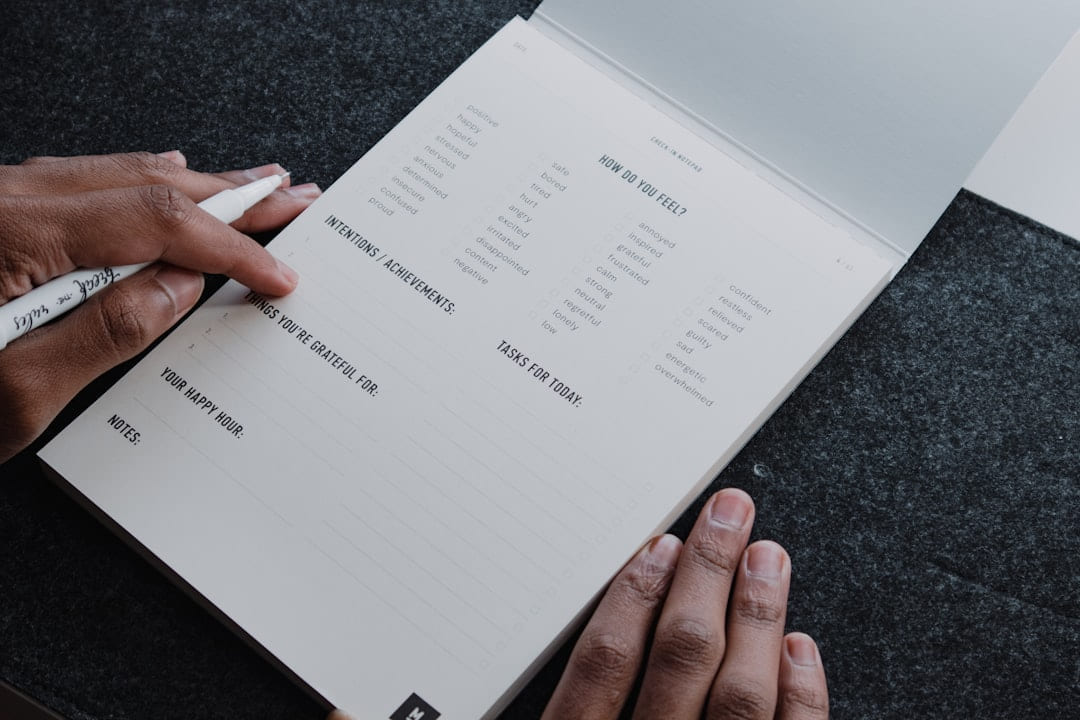
Simply naming your emotion can help you gain perspective and reduce its intensity. Instead of saying, “I feel bad,” try saying, “I’m feeling frustrated” or “I’m feeling anxious.”
Understanding the Roots of Your Emotions
Emotional regulation isn’t just about reacting to feelings; it’s also about understanding why you’re feeling them. Often, our emotions are triggered by underlying beliefs, past experiences, or unmet needs.
Exploring Your Triggers: Keep a journal to track your emotions and identify patterns. Ask yourself: What was happening before I felt this way? What thoughts were going through my mind? What needs were not being met?
Example: If you consistently feel angry when someone interrupts you, it might be linked to a deep-seated need for respect and validation. Addressing this underlying need can significantly reduce your reactivity.
Long-Term Strategies for Emotional Regulation
Developing emotional regulation skills is an ongoing process. Here are some strategies for building long-term resilience:
- Self-Care: Prioritize activities that nourish your mind, body, and soul - exercise, healthy eating, sleep, hobbies.
- Healthy Relationships: Surround yourself with supportive and understanding people.
- Stress Management Techniques: Incorporate regular practices like yoga, meditation, or spending time in nature.
- Seek Professional Support: If you’re struggling to manage your emotions on your own, consider talking to a therapist or counselor. Cognitive Behavioral Therapy (CBT) and Dialectical Behavior Therapy (DBT) are particularly effective approaches for developing emotional regulation skills.
Focus on the part that solves the problem
In a topic like Mindset and self-growth, the strongest starting point is usually the one you will notice and use right away. That is often more helpful than adding extra features too early.
Before spending more, it is worth checking the setup, upkeep, and learning curve. Small hassles matter here because they are usually what decide whether something stays useful or gets ignored.
It is easy to underestimate how much clarity comes from removing one unnecessary layer. In practice, trimming one complication often does more for Calm Your Reactions: Building Emotional Skills than adding one more feature, one more product, or one more clever workaround.
Where extra features get in the way
Another easy trap is copying a setup that made sense for someone with a different routine, budget, or tolerance for maintenance. In Mindset and self-growth, that mismatch is often what makes a promising idea feel frustrating later.
A lot of options sound great until you picture them in a normal week. If the setup is fussy, the routine is easy to forget, or the maintenance is annoying, the appeal fades quickly.
There is also value in keeping one part of the process deliberately simple. Readers often do better when they identify the one decision that carries the most weight and make that choice carefully before they chase smaller optimizations. That keeps momentum steady and usually prevents the topic from turning into clutter.
What makes the choice hold up
A better approach is to break Calm Your Reactions: Building Emotional Skills into smaller decisions and solve the highest-friction part first. Testing one practical change usually teaches more than trying to perfect everything in a single pass.
Leave a little room to adjust as you go. A setup that works in one budget range, season, or routine might need a small change later, and that is usually normal rather than a sign you got it wrong.
If this topic still feels crowded or overcomplicated, that is usually a sign to narrow the decision, not a sign that you need more noise. One careful adjustment, followed by honest observation, tends to teach more than another round of abstract tips.
Keep This Practical
Inner growth sticks when it becomes observable in daily life. Choose one reflection habit, boundary, or reset that helps you respond with more intention than autopilot.
Tools Worth A Look
The picks here are best used to support follow-through, not to replace the inner work itself.
- Don't Believe Everything You Think: Why Your Thinking Is The Beginning and End Of Suffering (Beyond Suffering)
Some of the links on this page are Amazon affiliate links, which means I may earn a small commission if you make a purchase through them. As an Amazon Associate, I earn from qualifying purchases.
Related ReadingMore from Inner Progress Project

Grow Your Mindset: A Quick Checklist
Your Mindset can be easier to approach when you start with a few practical basics. For years, I chased external markers of success - a bigger house, a fancier job.

Start Small: Mindset Growth for Today
“Start small” isn’t just a tactical strategy; it’s a reflection of a broader mindset. It’s about embracing a growth mindset - the belief that your abilities.
Start Small: A Mindset Checklist
Another easy trap is copying a setup that made sense for someone with a different routine, budget, or tolerance for maintenance. In Mindset and self-growth.