
1. Make It Attractive (Craving) (Building Habits That Stick)
Building Habits That Stick can be easier to approach when you start with a few practical basics. Habits aren’t just about doing something; they’re about wanting to do something. This law addresses the motivation behind your habits. If it feels like a chore, you’re less likely to stick with it.
Practical Example: Let’s say you want to exercise more. Don’t just tell yourself “I should exercise.” Instead, find ways to make it more appealing. Listen to your favorite podcast while you run. Join a fitness class with a friend - social accountability can be a powerful motivator. Reward yourself after a workout (a healthy smoothie, a relaxing bath - not a giant slice of cake!). The key is to associate the habit with something you genuinely enjoy or value.
2. Make It Easy (Response)
This is where the “tiny habits” concept comes in. Overcoming inertia is the biggest hurdle. The easier a habit is to start, the more likely you are to actually do it. Reducing friction is key.
Practical Example: Want to read more? Don’t aim for an hour a day. Start with just one page. Want to drink more water? Keep a water bottle filled and visible on your desk. Instead of cleaning your entire kitchen, start with just washing one dish. The goal is to make the initial action so small that it feels almost effortless.
3. Make It Satisfying (Reward)
This is about reinforcing the behavior. You need to create a system that tells your brain, “Hey, this was a good decision!” This doesn’t necessarily mean a grand reward; it’s about creating a small, immediate feeling of accomplishment.
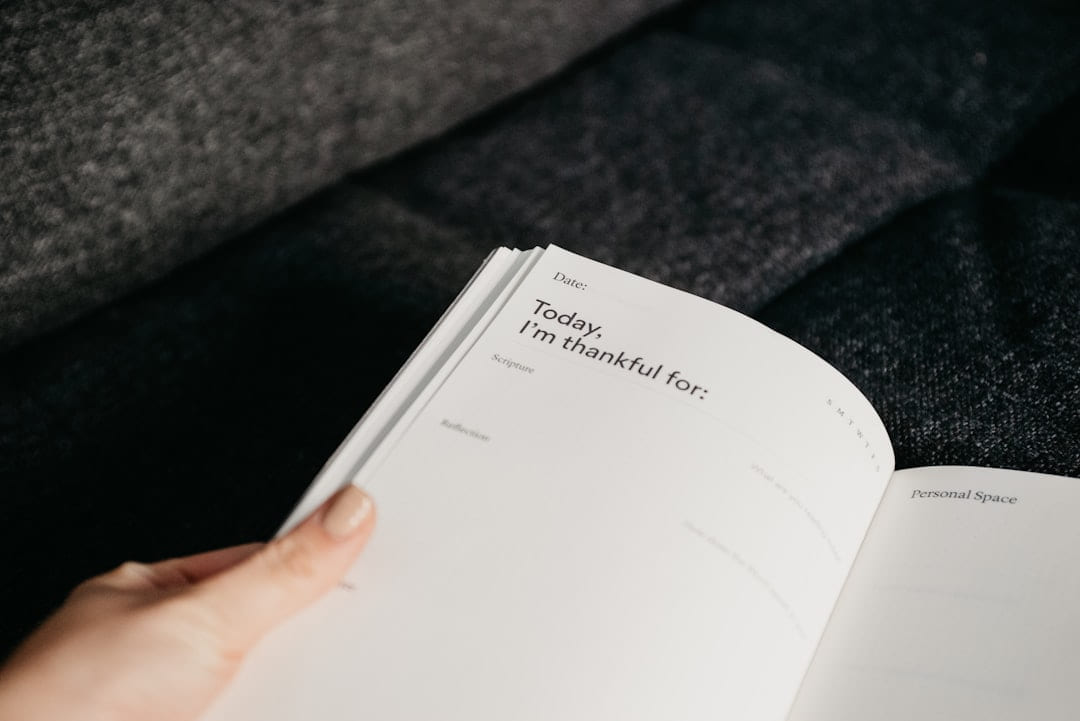
Practical Example: Use a habit tracker - a simple checkmark on a calendar, a note in a journal, or an app. Seeing your progress visually can be incredibly motivating. Alternatively, celebrate small wins - a quick pat on the back, a positive affirmation, or a moment of gratitude. The satisfaction needs to be immediate to strengthen the association between the habit and the reward.
Habit Stacking: The Power of Linking (Building Habits That Stick)
One of the most powerful techniques for building new habits is habit stacking. This involves attaching your new habit to an existing one. It leverages the momentum of a habit you already have to make the new habit easier to adopt.
Formula: “After [CURRENT HABIT], I will [NEW HABIT].”
Example: “After I brush my teeth in the morning, I will meditate for 5 minutes.” “After I pour my morning coffee, I will write down three things I’m grateful for.” “After I finish lunch, I will do 10 push-ups.” Notice how these are all linked to existing routines, making them feel less disruptive and more integrated into your day.
Dealing with Setbacks and Maintaining Momentum
Let’s be real - you’re going to slip up. It’s inevitable. Don’t beat yourself up about it. The key is to get back on track as quickly as possible. A single missed day doesn’t derail your entire effort.
Strategies for Recovery:
- Don’t break the chain: If you missed a day, try to do the habit the *next* day. Maintaining the chain of consistency is more important than perfection.
- Identify the trigger: What caused you to miss the habit? Adjust your cues or make the habit easier if necessary.
- Forgive yourself and move on: Dwelling on mistakes will only make you feel worse. Focus on your progress and keep moving forward.
Beyond the Four Laws: Long-Term Sustainability
While the Four Laws provide a solid foundation, building sustainable habits requires more than just following a formula. It’s about cultivating a growth mindset and aligning your habits with your values.
Consider these factors:
- Start with ‘Why’: Why do you *really* want to build this habit? Connecting your habits to your deeper values will increase your motivation and commitment.
- Be patient: Habit formation takes time. Don’t expect to see results overnight. Focus on progress, not perfection.
- Regularly review and adjust: Your habits and your goals may evolve over time. Periodically review your system and make adjustments as needed.
- Focus on Identity: Instead of focusing on *doing* a habit, focus on *becoming* the type of person who does that habit. “I am a reader” is a much more powerful statement than “I will read for 30 minutes.”
Building lasting habits is a journey, not a destination. By understanding the science behind habit formation and applying these best practices, you can create a life filled with positive routines and genuine progress. We’re here to support you on your Inner Progress Project. What habit are you going to focus on building this week?
Focus on the part that solves the problem
In a topic like Mindset and self-growth, the strongest starting point is usually the one you will notice and use right away. That is often more helpful than adding extra features too early.
Before spending more, it is worth checking the setup, upkeep, and learning curve. Small hassles matter here because they are usually what decide whether something stays useful or gets ignored.
It is easy to underestimate how much clarity comes from removing one unnecessary layer. In practice, trimming one complication often does more for Building Habits That Stick than adding one more feature, one more product, or one more clever workaround.
Where extra features get in the way
Another easy trap is copying a setup that made sense for someone with a different routine, budget, or tolerance for maintenance. In Mindset and self-growth, that mismatch is often what makes a promising idea feel frustrating later.
A lot of options sound great until you picture them in a normal week. If the setup is fussy, the routine is easy to forget, or the maintenance is annoying, the appeal fades quickly.
There is also value in keeping one part of the process deliberately simple. Readers often do better when they identify the one decision that carries the most weight and make that choice carefully before they chase smaller optimizations. That keeps momentum steady and usually prevents the topic from turning into clutter.
What makes the choice hold up
A better approach is to break Building Habits That Stick into smaller decisions and solve the highest-friction part first. Testing one practical change usually teaches more than trying to perfect everything in a single pass.
Leave a little room to adjust as you go. A setup that works in one budget range, season, or routine might need a small change later, and that is usually normal rather than a sign you got it wrong.
If this topic still feels crowded or overcomplicated, that is usually a sign to narrow the decision, not a sign that you need more noise. One careful adjustment, followed by honest observation, tends to teach more than another round of abstract tips.
Keep This Practical
A better mindset rarely arrives all at once. It grows when you keep one small promise to yourself often enough that it starts to feel trustworthy.
Tools Worth A Look
These recommendations fit readers who want support for reflection, habit-building, or steadier day-to-day self-management.
- Executive Functioning Mindset Cards – 52 Daily Habit Cards for Focus, Organization and Follow Through – For Kids, Teens and Adults – Includes Wooden DisplayThe Power of Goals: Timeless Lessons on Finding Purpose, Overcoming Doubt, and Taking ActionThe Ultimate Growth Mindset Guide For Kids Made Simple: Unlock Potential, Build Resilience, And Cultivate Confidence For Lifelong Success in School And BeyondALKB Inspirational Wall Art Metal Sign 8 x 12 Inch, Inspiring Positive Quotes Room Decor
Some of the links on this page are Amazon affiliate links, which means I may earn a small commission if you make a purchase through them. As an Amazon Associate, I earn from qualifying purchases.
Related ReadingMore from Inner Progress Project

Building Better Habits, One Step at a Time
Step at a Time can be easier to approach when you start with a few practical basics. Tracking Your Progress: Tracking is absolutely crucial for maintaining.

Building Better Habits: A Quiet Guide
Building Better Habits: A Quiet Guide offers a clearer, more practical take on habit formation so readers can make the next move with less confusion and more.
Habits or Something More?
Beyond the Routine: A More Human Approach to Growth in 2026 Let’s be real: how many times have you started a year brimming with ambitious “good habits” - more.