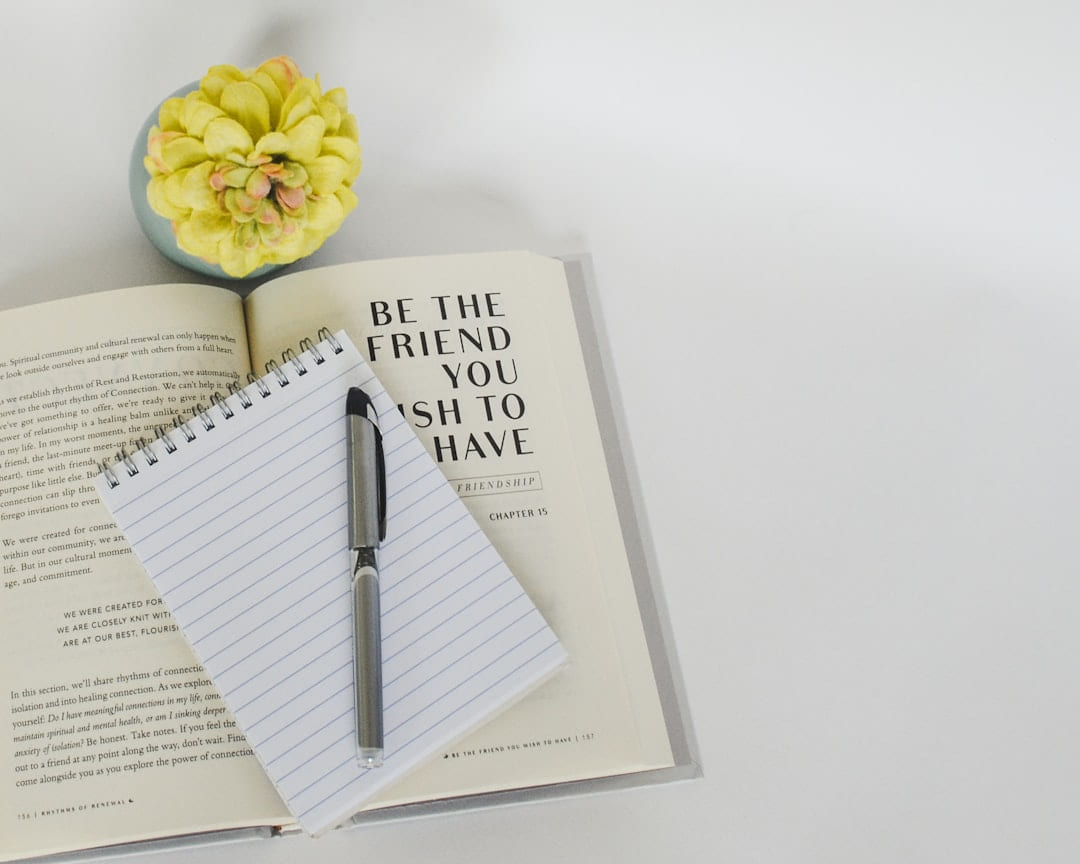
Cultivating Intentionality: Small Steps can be easier to approach when you start with a few practical basics.
- Weekly Reflection Check-in: Journal for 10-15 minutes each week to reflect on the past seven days. What went well? What challenges did you face? What did you learn?
- Value-Aligned Task Selection: Before starting your workday, identify the *one* task that best aligns with your top three values. Focus on completing that first. what helps most is to create systems - routines that automate intentional choices. If you value connection, schedule a regular phone call with a loved one. If you value learning, dedicate 30 minutes each week to reading or taking a course. Tools like Habitica (a gamified habit tracker) can be helpful, but don’t get bogged down in complex tracking systems. Start simple and build from there.
Value Alignment - The Compass for Your Life (Cultivating Intentionality: Small Steps)
Intentional living isn’t about doing more; it’s about doing the right things. And that “right” is determined by your values. What truly matters to you? What principles guide your decisions and shape your life? It's easy to get caught up in societal expectations and external pressures, but if your life isn’t aligned with your core values, you’ll always feel a sense of disconnect. Start with a value clarification exercise. Grab a piece of paper and brainstorm a list of values - creativity, connection, growth, integrity, compassion, adventure, security… whatever resonates with you. Then, narrow it down to your top three. Once you have your values, use them as a filter. Before making a decision, ask yourself: “Does this activity support my values?” If the answer is no, it’s a signal that you might need to reconsider.
Tracking Progress & Overcoming Obstacles
Moving beyond simple task lists is crucial. We need to track metrics that reflect feeling more intentional - not just completing a list of items. Instead of simply tracking “hours spent exercising,” track “time spent engaging in activities that bring me joy and align with my values.” Common obstacles include overwhelm, procrastination, fear of failure, and lack of time. Here are a few quick solutions: * Overwhelm: Break down large goals into smaller, more manageable steps.
- Procrastination: Start with just five minutes. Often, once you get started, it’s easier to keep going.
- Fear of Failure: Reframe failure as a learning opportunity. It’s okay to stumble - it’s part of the process.
- Lack of Time: Look for small pockets of time throughout your day that you can dedicate to intentional activities. Even five minutes can make a difference. Remember, progress isn’t linear. There will be setbacks. There will be days when you fall off track. what helps most is to be kind to yourself, acknowledge the challenges, and get back on course.
Start with what you will actually use
With Cultivating Intentionality: Small Steps Forward, the first question is usually not which option looks best on paper. It is which part will make day-to-day life easier, smoother, or cheaper once the novelty wears off.
A lot of options sound great until you picture them in a normal week. If the setup is fussy, the routine is easy to forget, or the maintenance is annoying, the appeal fades quickly.
There is also value in keeping one part of the process deliberately simple. Readers often do better when they identify the one decision that carries the most weight and make that choice carefully before they chase smaller optimizations. That keeps momentum steady and usually prevents the topic from turning into clutter.
What tends to get overlooked
Tradeoffs are normal here. Cost, convenience, upkeep, and flexibility do not always line up neatly, so it helps to decide which tradeoff matters least to you before you commit.
This usually gets easier once you make a short list of priorities. A tighter list tends to produce better decisions than trying to solve every possible problem at once.
Another useful filter is asking what you would still recommend if the budget got tighter, the schedule got busier, or the setup had to be easier for someone else to manage. The answers to that question usually reveal which advice is durable and which advice only works under ideal conditions.
How to keep the setup simple
If you want Cultivating Intentionality: Small Steps Forward to hold up over time, choose the version you can actually maintain. That can mean spending less, leaving out an attractive extra, or simplifying the setup so it fits ordinary life.
The version that holds up best is usually the one you can live with on an ordinary day. That often matters more than the version that only feels good when you have extra time, energy, or money.
That is why the best next step is often a modest one with a clear upside. You want something specific enough to act on, flexible enough to adjust, and practical enough that you would still recommend it after the first burst of enthusiasm fades.
Conclusion
Intentional living isn’t a destination; it’s a journey. It’s about building sustainable habits and aligning your actions with your values - a continuous process of refinement and growth. It’s not about achieving some perfect state of being, but about creating a life that feels meaningful and fulfilling. In the coming months, we’ll be exploring “Intentional Living 2.0,” delving deeper into how neuroplasticity - the brain’s ability to rewire itself - can be harnessed to support lasting change. We’ll also be looking at how to create truly personalized systems that are tailored to your unique needs and circumstances. But for now, I want to challenge you to take action. Choose one micro-habit to implement this week. Maybe it’s spending five minutes each morning journaling, or scheduling a quick phone call with a loved one. Start small, be consistent, and watch as intentionality begins to weave its way into the fabric of your life. Ready to take the first step?
Keep This Practical
Inner growth sticks when it becomes observable in daily life. Choose one reflection habit, boundary, or reset that helps you respond with more intention than autopilot.
Tools Worth A Look
The picks here are best used to support follow-through, not to replace the inner work itself.
- A Year of Positive Thinking: Daily Inspiration, Wisdom, and CourageA Growth Mindset For Teens: Practical Lessons & Activities to Build Confidence
Some of the links on this page are Amazon affiliate links, which means I may earn a small commission if you make a purchase through them. As an Amazon Associate, I earn from qualifying purchases.
Related ReadingMore from Inner Progress Project
Cultivating Intentionality
Your Intentional Living guide: A Journey to a More Meaningful Life
Small Steps, Big Shifts
is easier to make sense of when you break it down into the part that matters most first. Instead of chasing every option at once, it usually helps to focus on what.
Intentional Living: Common Pitfalls
. It’s a phrase you hear a lot these days, often associated with a calmer, more meaningful life. But let’s be honest, the idea of truly living intentionally.